LINKLAB Newsletter #005
Meaning collects in the spaces we inhabit.
Architecture is shaped by time and awareness, through lived experience, collective memory, and continual change. From personal perspectives to the act of building, the spatial moments that surround us reflect, with great accuracy, the accumulation of material and ideas.
—Sooyoun and William, Co-Founders & Principals
INSIDE
Meet LINKLAB: Sooyoun

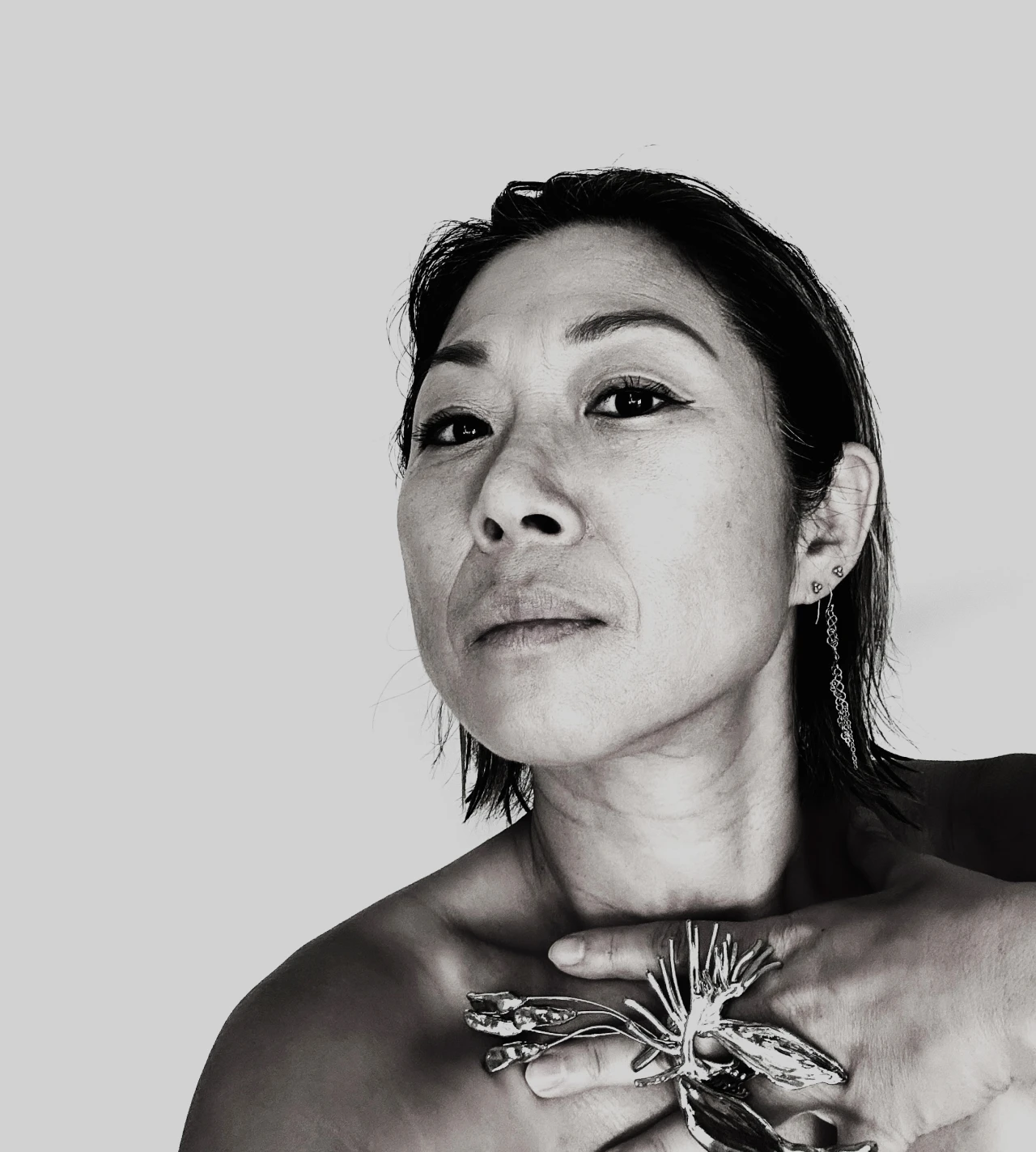
Design often begins with how we see, how our attention is focused, how unanticipated patterns emerge, and how meaning is found in forms. Here, Sooyoun shares objects, places, and ideas that inform how she engages with space, elements, and the passage of time.
What are you currently obsessed with?
Kaleidoscopes. I started collecting them about 8 years ago. There are a handful of Kaleidoscope artists in the world who really understand and explore the physics behind creating optical phenomena. They’ve honed their own style and skillset and elevated craftsmanship. Koji Yamami, my favorite artist, is known for his asymmetrical patterns, which are subtle but greatly different from most traditional kaleidoscopes, which create symmetrical patterns. The designs are tiny; you have to focus. Pinhole views become the eye of the universe. There’s logic, scientific and mathematical principles, and patterns. The result is endless. It’s beautiful, I can look at them forever.
What everyday objects do you think is beautifully designed?
Bowls. A bowl is simple and can be beautiful just as is; it has one basic purpose: to contain things. It must have been one of the very first things that Homo Sapiens created or discovered. It has a long history, more than many other kinds of vessels. There must have been so many evolutions and iterations, but still never deviating far from the very first design, because it has always been true to itself.
If someone gave you a free day to explore, where would you go?
Bottom of the ocean. Two-thirds of Earth's surface is covered by the ocean, but still so much remains undiscovered. It’s vast and still so mysterious. Whether I am floating over or diving under the waves, I’m so often drawn to it. I lose time. It’s peaceful, especially under the water. I’m completely away from the world above the surface. The waves are the channel to the undiscovered world. All of the creatures, their range in looks, and how they exist are incredible. I’m drawn to the depths of the deep sea floor. Very special place. So much to explore.
MAKE
History Remaking

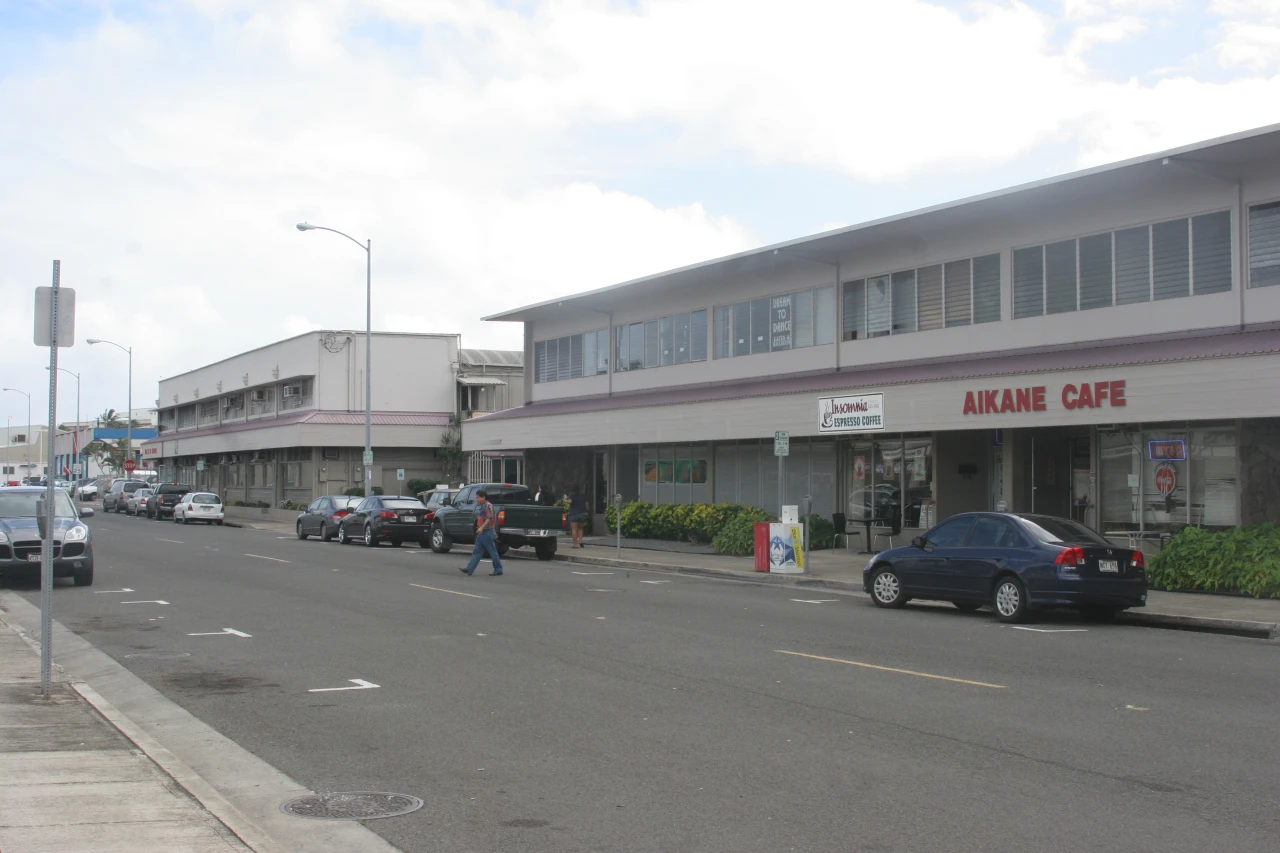
As cities mature, their buildings age with them. Time adds layers of memory and use, and places reach a moment where their next life begins to take shape. In this in-between state, architecture engages with form and with the accumulated stories embedded in space.
History can be read through the physical language of a building—its proportions, methods of construction, and relationship to its surroundings. These elements reveal where a place has been and how it has been lived in. Design becomes a way of listening to those signals, allowing new narratives to emerge without erasing what already exists.
Through space, place, and materiality, history takes on new form. The traces of lived moments inform how buildings evolve, carrying their past forward while creating room for new experiences to take hold.

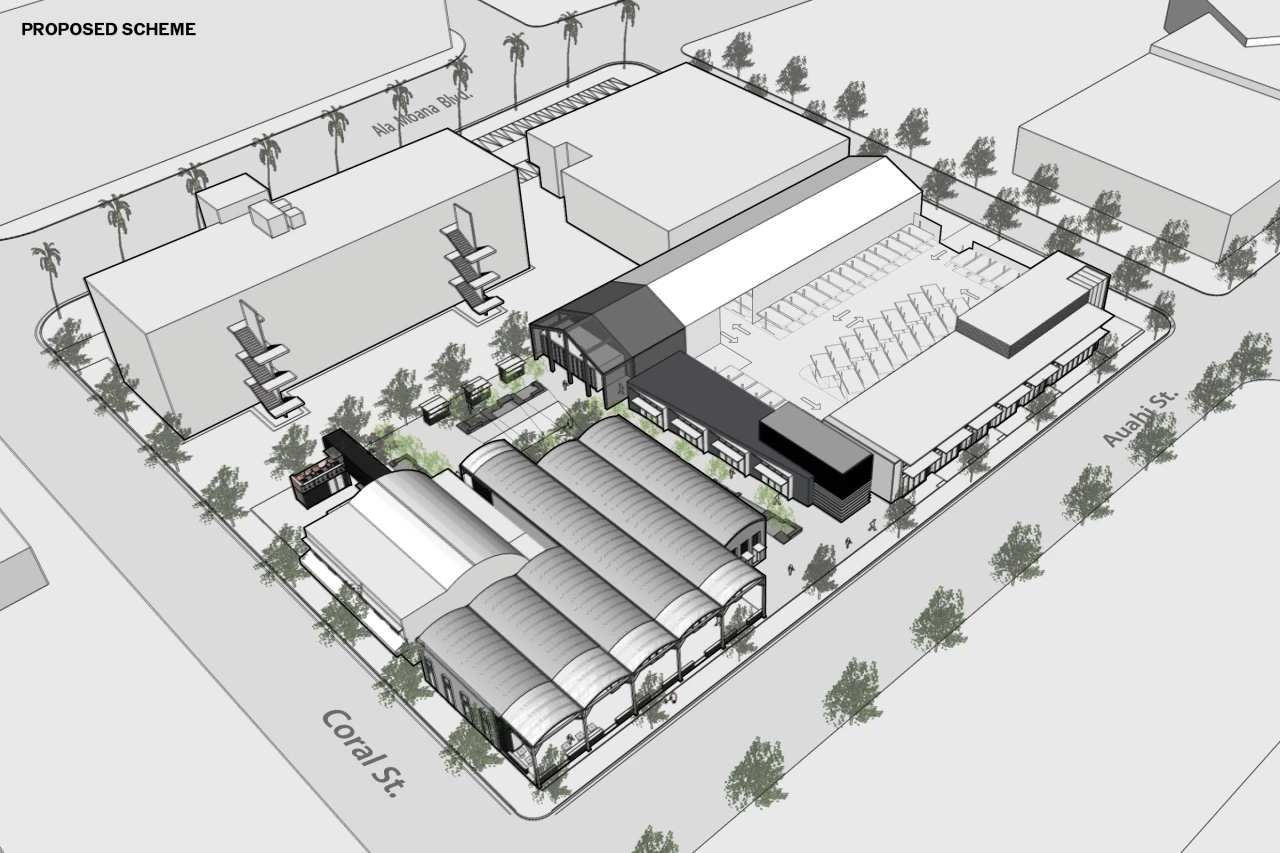
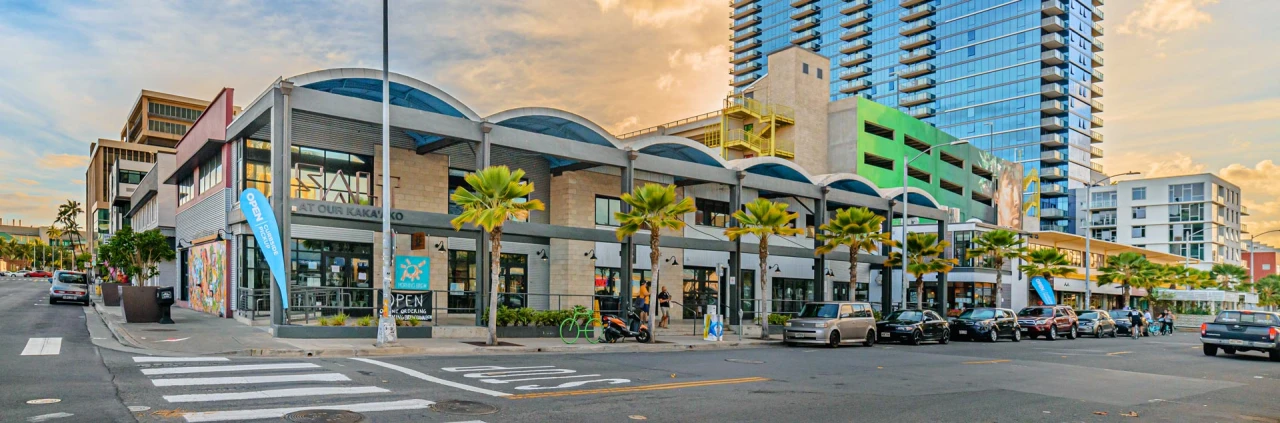
SALT, Honolulu, Hawaii
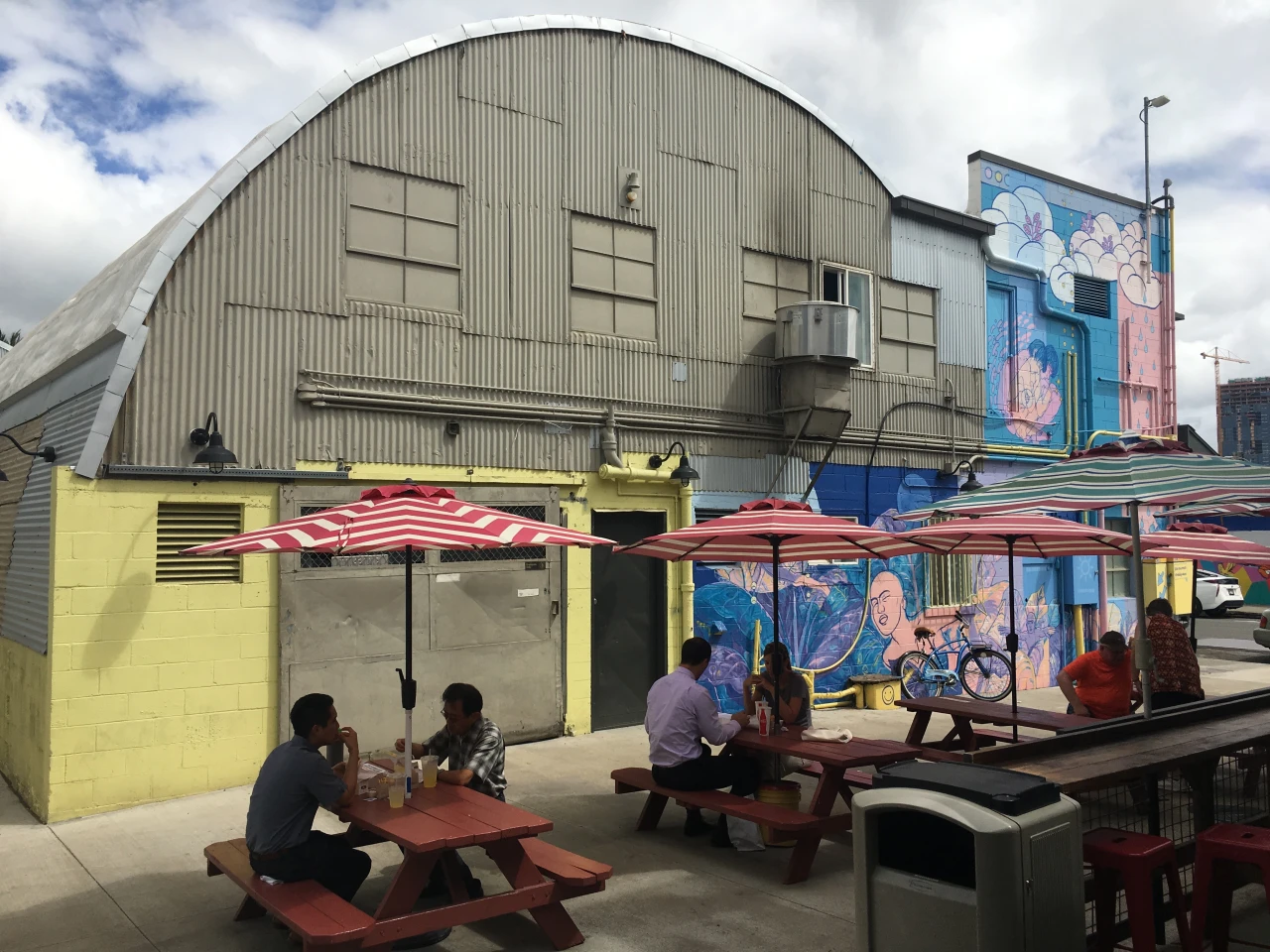
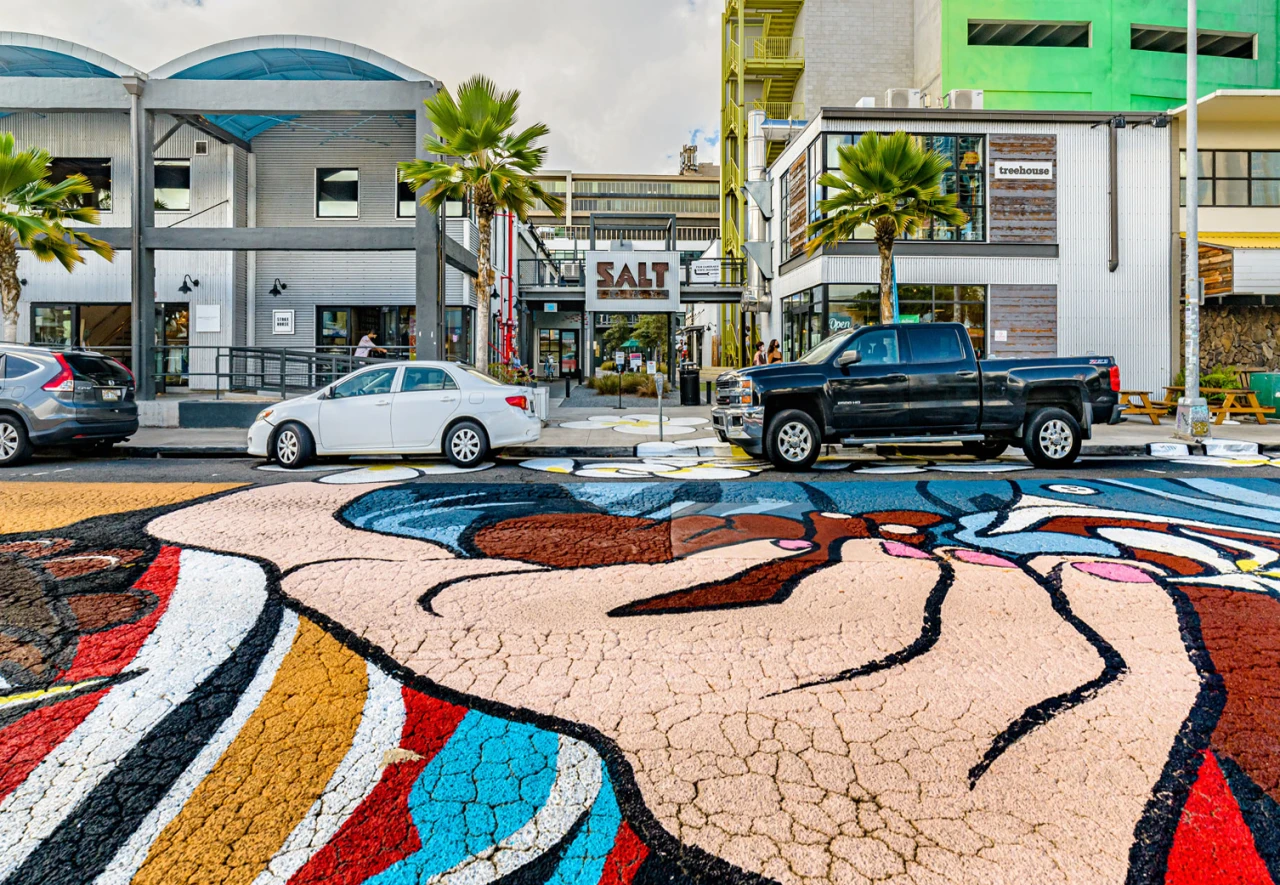
Once a 3-acre industrial site, SALT at Our Kakaʻako was completed in 2017 as the result of a master plan and adaptive reuse strategy that transforms former salt works and service warehouses into a locally established mixed-use neighborhood.
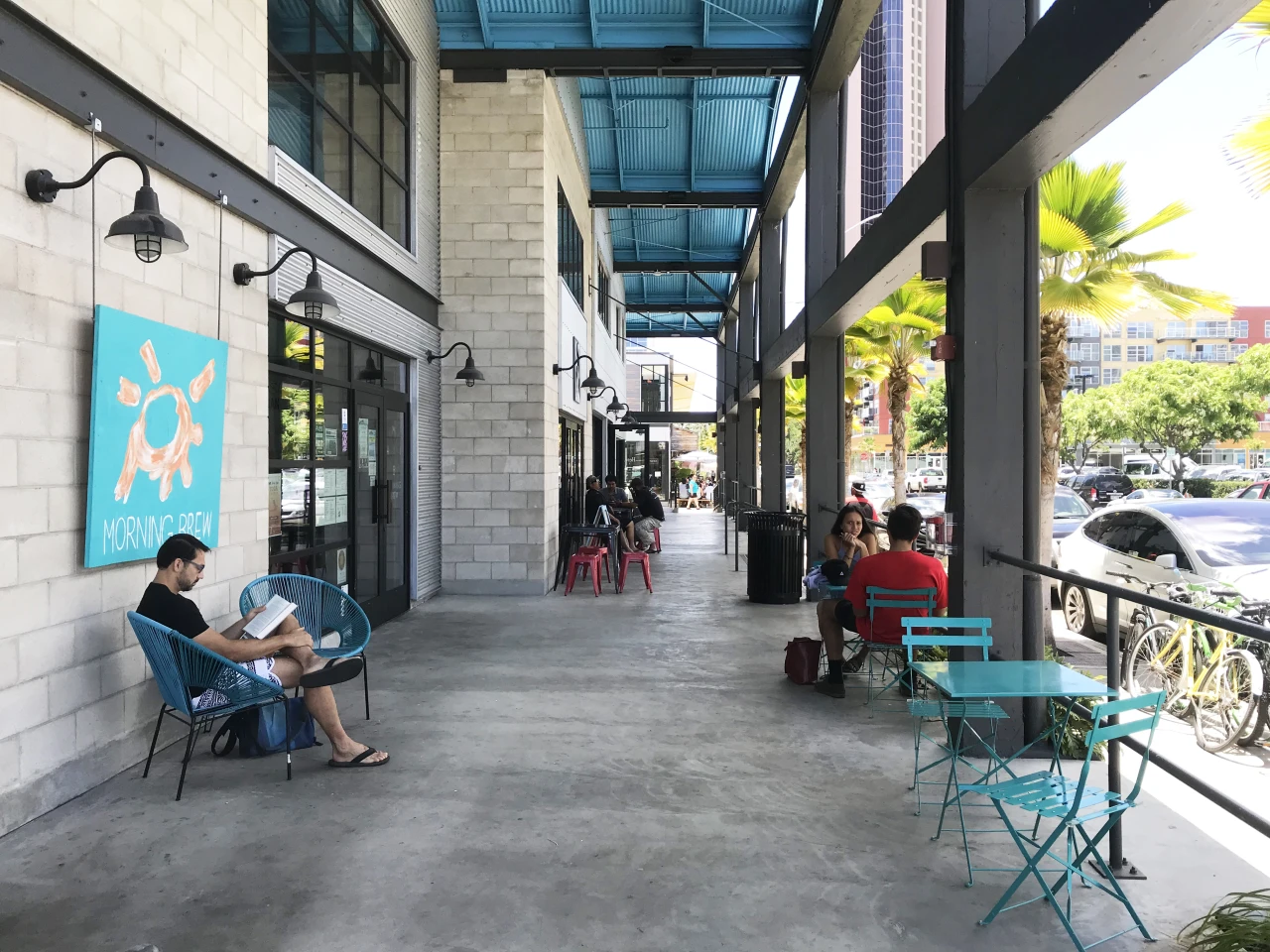
Rather than erasing the site’s industrial past, the project builds upon it—repositioning four existing structures into a pedestrian-oriented framework of public space, small-scale commerce, and cultural programming that supports everyday life. A mid-block crossing, open-air courtyards, and shaded gathering spaces activate surfaces once reserved for service and parking, while material choices such as reclaimed local wood, corrugated metal, and weathered steel preserve a familiar industrial character. By prioritizing local entrepreneurs, artists, and community programming over national tenants, SALT establishes itself as a cultural and civic anchor, demonstrating how adaptive reuse can extend the legacy of place while shaping a new urban identity for Kakaʻako.