LINKLAB Newsletter #004
As we say goodbye to the year of the Wood Snake, we reflect on our adaptation of intuition in the creative process and on our preparation for transformation ahead.
At LINKLAB, we are exhilarated as we enter the year of the Fire Horse to take bold action and pursue exploration.
Research remains central to how our ideas take shape, serving as a tool to examine how our work participates in culture, the environment, and daily life.
We remain eager to say no to formulas and yes to spontaneity in advancing iterations of the built environment, creating space to breathe and examining new possibilities of experience.
Below, we share what we are ready to explore in 2026.
—Sooyoun and William, Co-Founders & Principals
SENSE
New Year, Same Observations

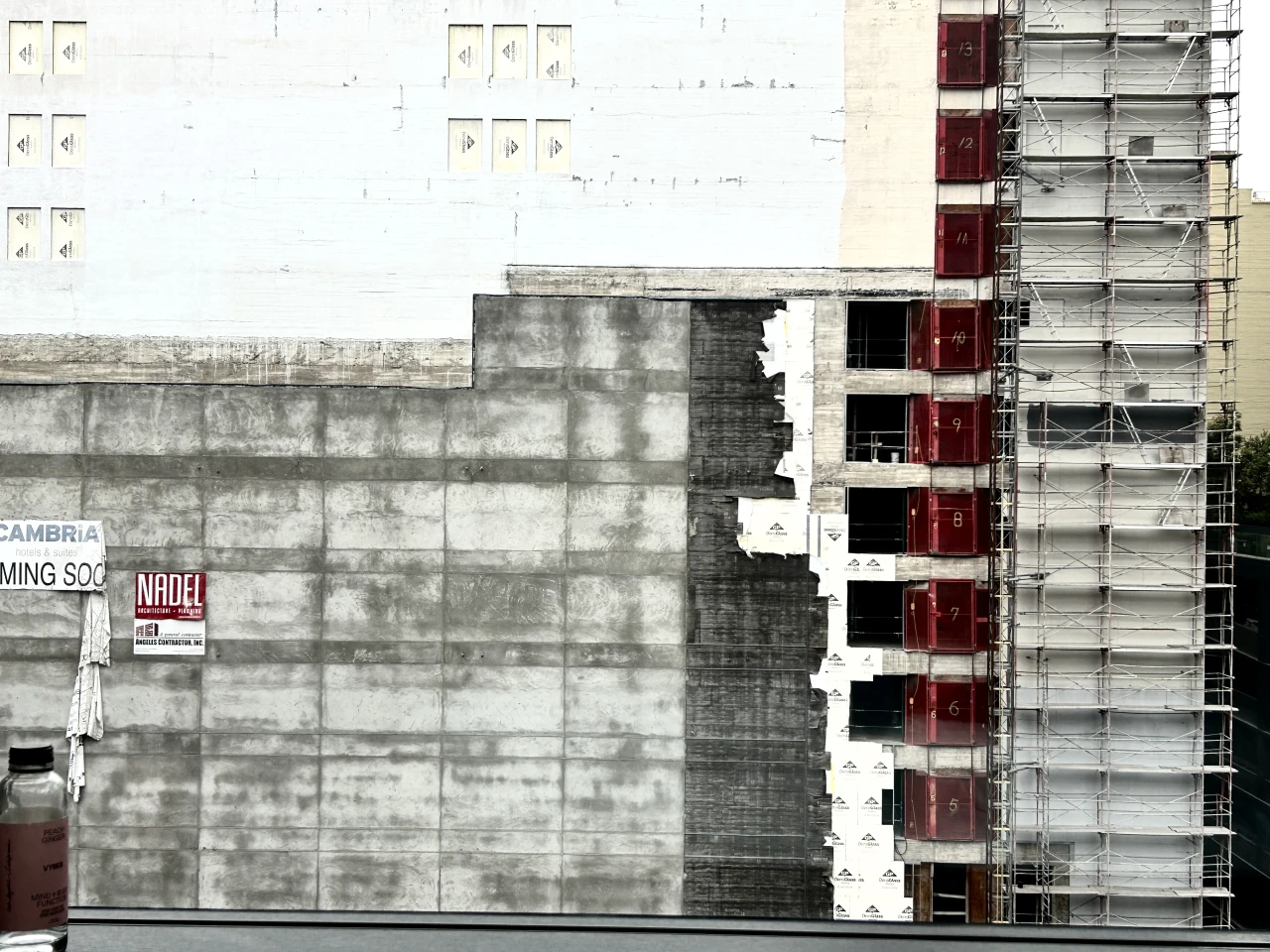
As the year begins, certain signals come into focus—what lingered, what shapes perspective, and what continues to inform how we approach our work.
In 2025, attention was drawn to moments where architecture carried more responsibility: spaces seeking to hold community, carry cultural meaning, and operate between global ambition and local specificity without collapsing either.
Projects that blurred categories stood out—retail functioning as civic space, cultural institutions operating as social infrastructure, and unbuilt work that clarified values without requiring a physical outcome.
At LINKLAB, our work begins with awareness—of history, of place, of intention—or with asking what it means to build without erasing what came before. Natural processes, material behavior, and environmental forces are present in the work not as constraints, but as conditions to engage.
A strong relationship to art continues to influence how our work is formed.
Entering 2026, these observations continue to inform what is questioned, where collaboration unfolds, and how new ideas are introduced.
SHIFT
Iteration, Time, and Place

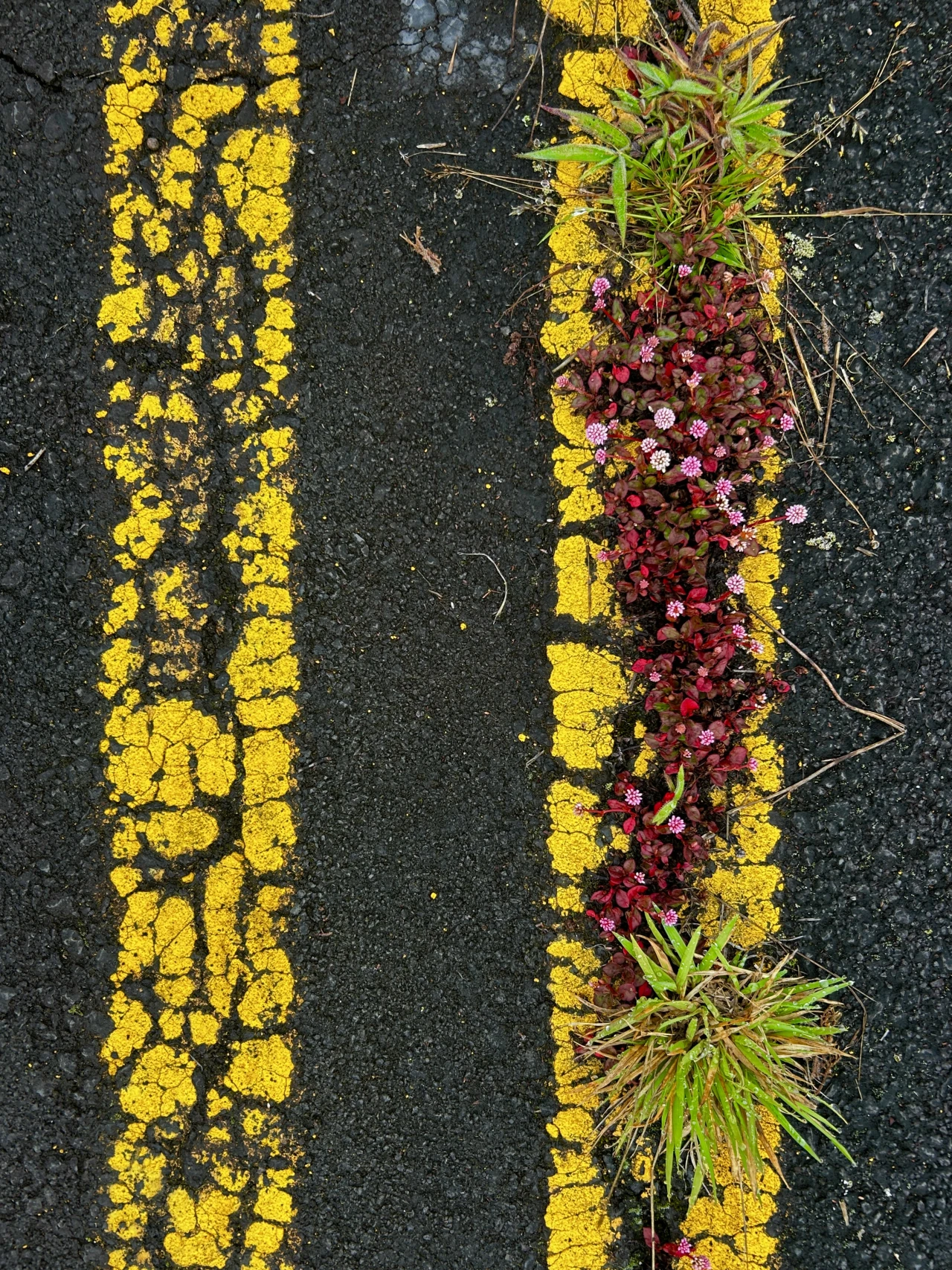
Formula limits possibility.
Some of the most compelling outcomes emerge without a fixed plan—when intuition, process, and circumstance interact. These conditions tend to produce work that is varied, textured, and beautiful.
Patterns within the built environment reveal how systems typically struggle to accommodate difference—personal, cultural, or environmental. Repetition is efficient; variation is harder. We understand that the tension between the two remains unresolved.
Quality, when treated as a baseline rather than an exception, changes who architecture is for. When design intelligence is embedded early—through systems, materials, and process—it scales quietly. What is built well does not need to be scarce to retain value.
Much of the discipline still operates in the long shadow of conceptual movements that posed foundational questions decades ago. Those questions persist, often restated, while exploration of new possibilities struggles to gain meaningful traction.
These ideas will continue to surface throughout the year—in the work we take on, the stories we share, and the questions we continue to explore.