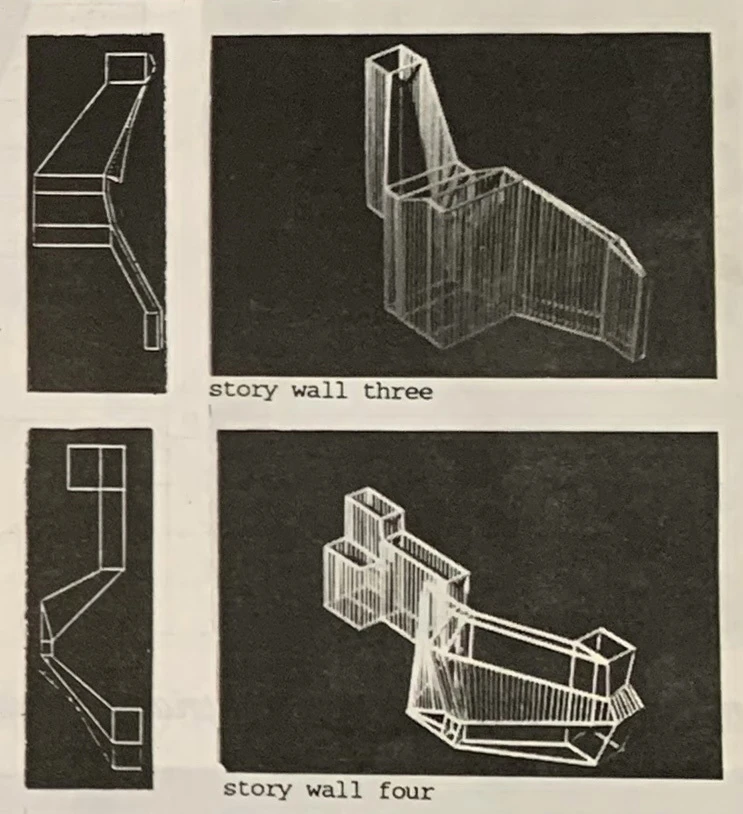
unLINKed vol. 2: Unbuilt Ideas & Conceptual Practice
Ideas begin on the drawing board. Some are realized, others remain unbuilt, yet each carries a weight of possibility—how a space may function, how it could be experienced, how it might shape the world around it. We caught up with William Paluch and Sooyoun Park, the founders of LINKLAB, to discuss how curiosity, experimentation, and careful observation guide decisions, how unbuilt work continues to influence the practice, and how the studio approaches ideas that exist somewhere between imagination and reality.

When a project remains unbuilt, it can still carry weight. What’s the lasting impact of a design that never leaves the drawing board?
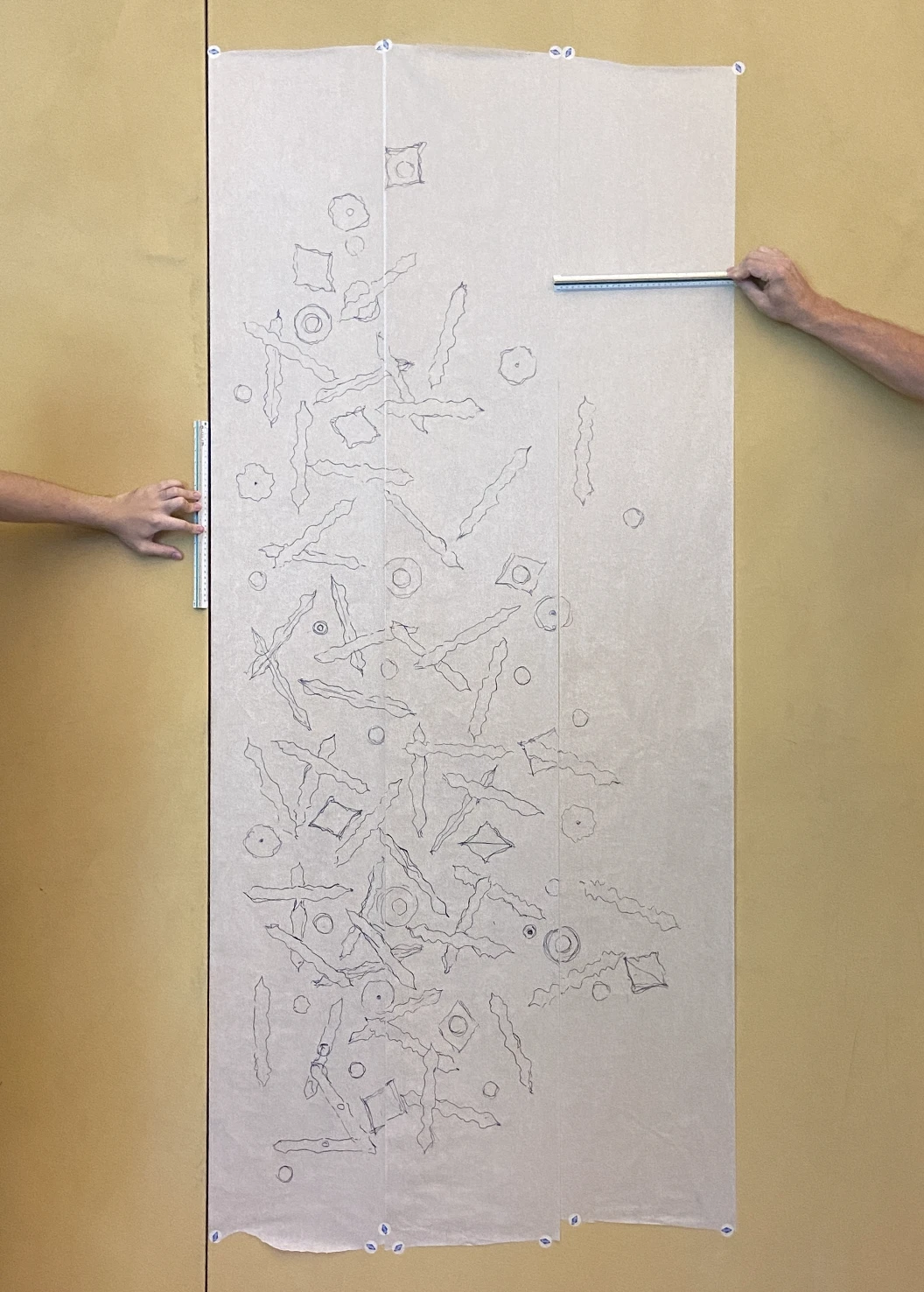
William: The drawing board, so to speak, is the home of experimentation in architecture and urban design. It is where considerations of alternative futures, possibilities, relationships, and beliefs are expressed for evaluation and discussion. Used to its maximum benefit, the drawing board asks, “what if?” In this sense, one can say that a vast majority of design ideas never leave the drawing board because the potential for “what if” ideas — for better or worse — to manifest within real-world parameters is limited.
At the same time, in our practice, we appreciate that oftentimes the purest iteration of a “what if” concept is the way it is expressed on the drawing board. Countless architects have recognized this and have allowed unbuilt work to illustrate possibilities for another time or to serve as a guidepost, a reminder to continue pushing the boundaries of the work that does get built.
What’s the role of curiosity or experimentation in guiding decisions, even when practicality or reality imposes limits?
Sooyoun: The questioning of assumptions, standards, patterns, decisions, and preferences of the status quo through experimentation is key to the creative process. The drawing board provides the space to test ideas and examine relationships before they encounter constraint. There is always tension between the breadth of a “what if” idea and the limits of real-world parameters, yet that tension is productive. Our team has a genuine and earnest interest in pushing “what if” ideas toward realization, even as they adapt to circumstance.
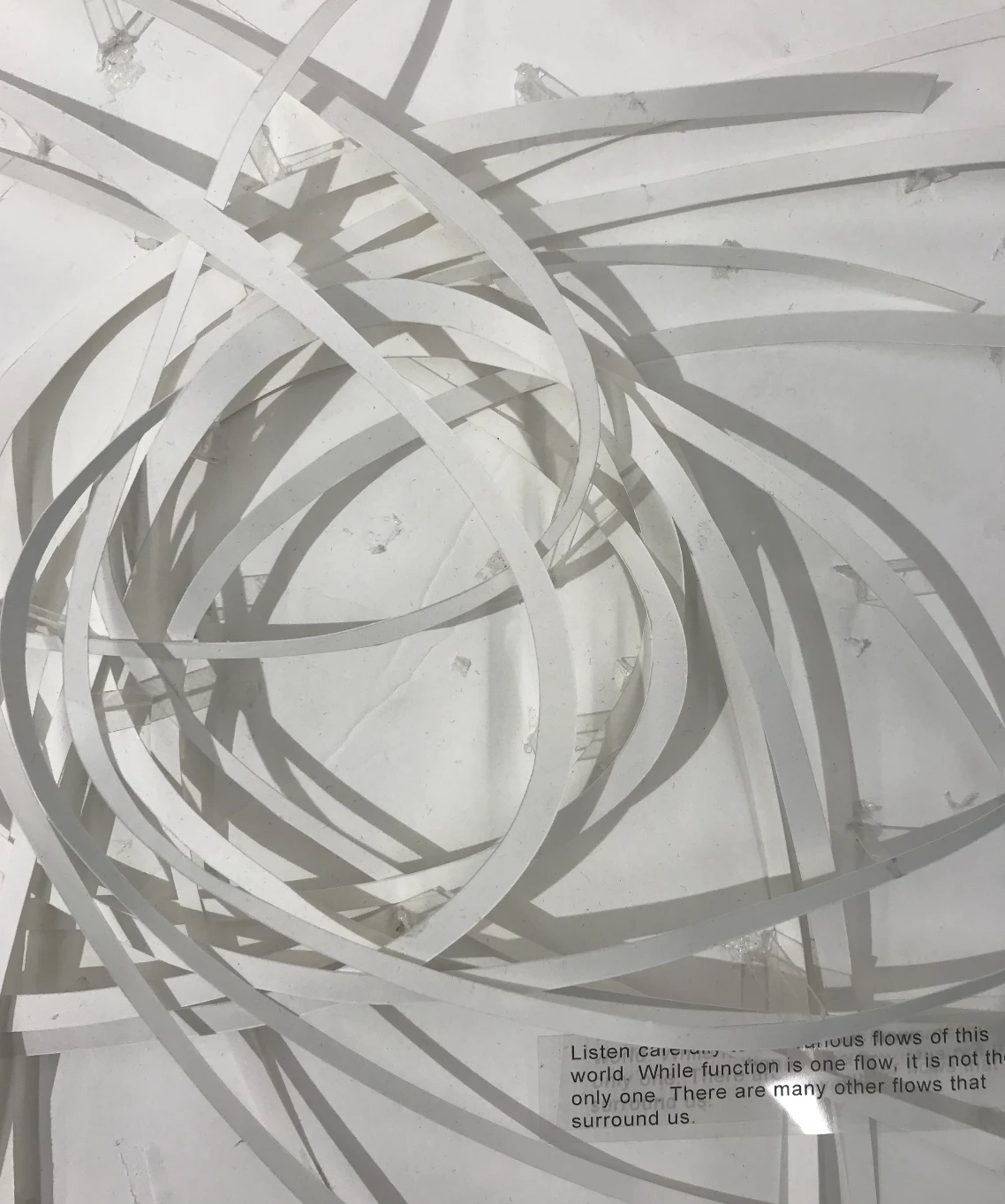
While the fundamental principles of how we live as human beings may remain constant, everything else evolves and differentiates from what came before. Curiosity and experimentation are acts of evolution — the first steps toward change and forward movement. Practicality and reality are part of an organic system, not fixed conditions. If they were, we would still dwell in caves and make fire with sticks.

What, in your view, becomes the tipping point between an idea moving forward to be built versus remaining unrealized?
Sooyoun: Major factors for us are a strong collective vision, sustained motivation, and financial support. When those elements align, a project has the momentum to move forward. When one is absent, the idea often remains on the drawing board. Practical obstacles and challenges are part of the process and can typically be resolved; more often, financial performance becomes the decisive lever, reflecting both the nature and tensions of a capitalist system.
Decision-making structure also plays a role. There is a tendency to streamline realization by limiting voices, avoiding “too many cooks in the kitchen.” Yet the most valuable buildings are often those that serve multiple interests and uses simultaneously. The tipping point, then, is not singular. It emerges from alignment— between vision, resources, and a willingness to embrace complexity rather than omit it.
What is the most provocative unbuilt work you have encountered in your career as a creative professional?
William: There is a tendency to cite works like the Danteum by Giuseppe Terragni, the Cenotaph for Newton by Boullée, Buckminster Fuller’s Dome to Cover Manhattan, or the creations of Paolo Soleri or Lebbeus Woods. All are magnificent in their own right and carry monumental weight across professions concerned with the built environment.
On a more personal level, my BARCH thesis project at USC envisioned a House for Don Quixote, which inherently explored unbuilt ideas of dwelling that continue to influence our creative interests.
The premise of this unbuilt work was built on the capacity of one’s imagination to create home – as a place to uniquely occupy the world. In this work, the builder is imagined to possess adequate amounts of curiosity and wisdom to envision the creation of home purely through subjective interaction with the physical world. Here, the grid is imagined in its archeological capacity to measure, evaluate, and interact with historical distinctions of place.
And then - from this intimate connection with circumstances before us - the builder makes decisions about the creation of home utilizing tools that require living within the floors, walls, and roof instead of in-between these. The House for Don Quixote was always intended to remain unbuilt, but it continues to push us to expand the capacity each of us has for highly individual contributions to the built environment.